
 Pусский
 Français
 العربية
 中文
中文
Lightning protection bracket
Lightning, a powerful natural phenomenon, poses significant risks to buildings, infrastructure, and human safety by causing fires, structural damage, and electrical system failures. A lightning protection bracket is an indispensable component of a comprehensive lightning protection system (LPS), serving as the foundational support that ensures lightning rods or air terminals are positioned correctly to intercept strikes and channel current safely to the ground. At its core, the lightning protection bracket’s primary function is to secure air terminals—metal rods designed to attract lightning—at the highest points of a structure. It bridges the gap between the terminal and the down conductor, which carries the electrical current to the grounding system. Without a robust bracket, the terminal could shift or fall, compromising the entire LPS’s effectiveness. Materials used in manufacturing these brackets are chosen for durability and corrosion resistance, critical for withstanding harsh outdoor conditions like rain, snow, UV radiation, and salt spray. Common materials include stainless steel (grades 304 or 316 for enhanced corrosion resistance) and aluminum alloys, both lightweight yet strong enough to support the terminal’s weight and resist wind loads up to 150 km/h in some designs. Many brackets feature adjustable angles and lengths, allowing installers to adapt them to different roof slopes (from flat to steeply pitched) or wall configurations. Anti-loosening hardware, such as lock nuts or spring washers, is often integrated to prevent the bracket from loosening over time due to vibration or weather. There are several types of lightning protection brackets tailored to specific applications. Roof-mounted brackets are the most common: clamp-on models attach to metal roof panels without drilling, while bolted brackets are used for concrete or tile roofs. Wall-mounted brackets are ideal for buildings where roof space is limited, extending the terminal above the structure’s edge. Pole-mounted brackets are designed for standalone structures like communication towers or utility poles, elevating the terminal well above the structure’s height to ensure maximum coverage. Installation of these brackets must adhere to international standards like IEC 62305 or NFPA 780 to guarantee safety and efficacy. Key considerations include positioning the terminal at least 30 centimeters above the highest point of the structure, ensuring the bracket is securely fastened to structural elements (not just superficial cladding), and maintaining a low-resistance electrical connection between the bracket, terminal, and down conductor. Regular inspections are essential to check for corrosion, loose bolts, or damage, as even minor wear can undermine the system’s performance. In conclusion, the lightning protection bracket is a small but critical component that ensures the LPS operates as intended. By providing stable, corrosion-resistant support for lightning terminals, it plays a vital role in protecting structures and their occupants from the destructive force of lightning strikes. Its design and installation directly impact the system’s ability to divert dangerous electrical currents away from vulnerable areas, making it an essential investment for any building or infrastructure exposed to lightning risks.
Products
Category:
-
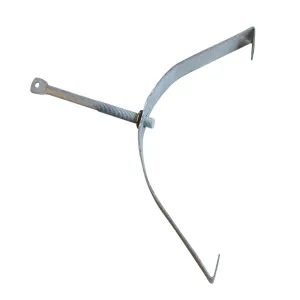
Lightning Protection Bracket
Category: Yigude fastening systemBrowse number: 18Number:Release time: 2026-03-17 11:18:15This product is installed on the tile roof. It adopts a non-destructive installation method for the lightning protection strip, effectively avoiding damage to the finished product and waterproofing hazards caused by secondary construction.
News
Category:
-
[Company News]Wade New Materials October 2024 Shanghai Roof Waterproofing...
2023-04-12 22:12:13
Case
Category:
No search results found!
Video
Category:
No search results found!
Download
Category:
No search results found!
Job
Category:
No search results found!
Featured Products
No search results found!



 WhatsApp
 Phone
Phone